Essentially:
- Drafts, foggy glass, high energy bills, and sticking frames are the clearest signs a Tempe home needs new windows.
- Arizona’s heat and UV exposure accelerate window wear faster than milder climates, making timely replacement more important.
- Dual-pane vinyl windows with Low-E glass are generally the strongest match for Tempe’s climate.
If your windows feel hot to the touch, let in drafts, or have fogged-up glass, it is likely time to consider window replacement. These are the clearest signals that seals have failed or materials have degraded beyond simple repair.
Homeowners searching for Window Replacement in Tempe, AZ are usually dealing with one or more of these warning signs already. Tempe’s desert climate pushes windows harder than almost anywhere else in the country, and spotting trouble early can prevent bigger repair costs down the road. Recognizing the signs before damage spreads to frames, sills, or interior finishes also protects the rest of your home.
Common Warning Signs of Window Failure
Several signs point to window deterioration, and most become more obvious once outdoor temperatures climb.
- Visible condensation or fogging between glass panes, which signals a broken seal
- Drafts near the frame even when windows are fully closed
- Windows that stick, warp, or no longer open and close smoothly
- Noticeably higher cooling bills compared to previous seasons
- Fading furniture, flooring, or window treatments from UV exposure
- Cracked, chipped, or discolored frames
Arizona’s combination of intense sun and wide temperature swings wears down lower-quality materials faster than installation in milder regions. According to the U.S. Department of Energy’s ENERGY STAR program, ENERGY STAR certified windows are built to meet or exceed federal efficiency guidelines, which matters most in climates with extreme heat exposure like Tempe.
Why Arizona Heat Accelerates Window Problems
Direct sun, constant UV exposure, and large daily temperature swings put more stress on windows in the Phoenix Valley than in most other parts of the country. Lower-quality frames and seals show wear sooner here, and that wear often shows up as drafts, fading interiors, or climbing energy bills.
Dual-pane vinyl windows with Low-E glass and a low Solar Heat Gain Coefficient tend to perform best in this environment because they reflect heat and reduce UV damage rather than absorbing it. Homeowners who delay replacement often see the problem compound, since a failing seal lets in more heat, which then raises cooling costs and speeds up wear on the rest of the frame.
Choosing the Right Replacement Window Style
Not every window style solves the same problem. Matching style to the issue you are experiencing often makes the biggest difference in comfort and performance.
| Window Style | Best For | Typical Benefit |
| Picture Windows | Rooms needing more natural light | Unobstructed views, fewer mechanical parts |
| Casement Windows | Kitchens and spaces needing airflow | Opens fully outward, strong seal when closed |
| Sliding Windows | Standard replacement in most rooms | Easy operation, practical for everyday use |
| Specialty/Custom Windows | Unique openings or architectural features | Precise fit for non-standard spaces |
If your current windows barely open, trap heat, or simply sit unused, swapping to a style built for airflow and sealing performance can resolve several issues at once.
What to Expect From a Professional Installation
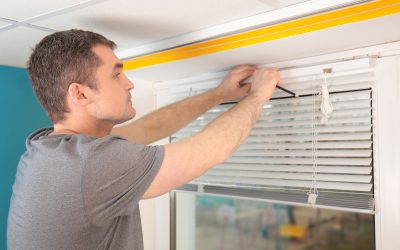
A proper replacement project involves more than swapping glass. Expect a contractor to handle the following steps:
- An in-home assessment of existing frames, seals, and glass condition
- Accurate measurements for each opening
- Selection of frame material and glass package suited to Arizona heat
- Removal of old windows and proper sealing and insulation during install
- A final walkthrough to confirm smooth operation and a tight seal
Most straightforward residential projects in the Tempe area are completed within one to two days once installation begins, though timelines vary by project size and window count.
Frequently Asked Questions
How do I know if my windows need replacing instead of repairing? If you notice fogged glass between panes, persistent drafts, or frames that are cracked and no longer seal properly, repair is usually not a lasting fix. Replacement becomes the more practical option once the seal or frame structure has failed.
What type of glass works best for Tempe’s climate? Dual-pane vinyl windows with Low-E coatings and a low Solar Heat Gain Coefficient are generally recommended for hot, sun-intense climates because they reduce heat transfer and UV damage.
How long does a typical window replacement take? Most residential projects in the Tempe area are completed in one to two days, depending on the number of windows and any custom sizing involved.
Does replacing windows actually lower energy bills? Upgrading from older or single-pane windows to efficient models is widely recognized as one of the higher-impact home efficiency projects, since it reduces the air leakage that drives up cooling costs.
Final Thoughts
Spotting the signs of window failure early, whether it is condensation, drafts, or rising bills, gives homeowners more flexibility in choosing the right replacement style and timeline. Tempe’s climate makes this decision more time-sensitive than in milder regions, since damage tends to progress quickly once a seal or frame begins to fail. For homeowners ready to compare options, Big Box Who? Window Replacement is a Tempe-based company serving the greater Phoenix Metro area with professional installation and a straightforward quote process.