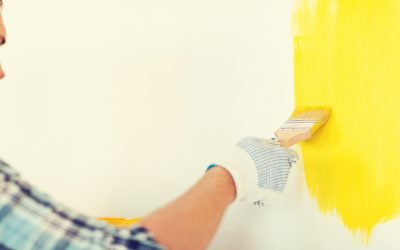
Yes. Drywall repairs should generally be completed, fully dried, sanded smooth, cleaned, and appropriately primed before the room receives its finish paint. Painting too early can leave patches, texture differences, uneven sheen, or repaired areas visible through the finished wall.
That sequence becomes especially important when more than a tiny nail hole is involved. Cracks, dents, damaged drywall paper, previous anchors, larger patches, and areas of joint compound can all change how paint behaves on the wall.
For homeowners planning an interior update in Henderson, NV, drywall repair and painting are best treated as connected stages of the same project rather than separate tasks that happen independently.
Why Should Drywall Repairs Come Before Painting?
Paint is a finish coating. It can change color and appearance, but it is not intended to correct every underlying surface problem.
If the wall has dents, holes, loose material, damaged seams, or irregular patches, those conditions can remain noticeable after painting. In some cases, a fresh coat can make them more visible because light reflects differently across uneven areas.
Completing drywall repairs first allows the wall to reach a more consistent condition before the finish is applied.
The typical order is:
- Inspect the walls.
- Identify areas that need repair.
- Complete patching or drywall work.
- Allow repair materials to dry fully.
- Sand and smooth repaired areas.
- Remove sanding dust.
- Prime where appropriate.
- Apply the finish paint.
This sequence gives the paint a properly prepared surface rather than asking the coating to hide unfinished repair work.
What Happens If You Paint Before the Drywall Repair Is Finished?
Several problems can develop.
The most obvious is that the repair may remain visible. A ridge, indentation, rough patch, or uneven edge does not disappear simply because it receives paint.
Painting an unfinished repair can also create extra work later.
If the area still needs another layer of patching compound, additional sanding, or reshaping, the newly painted section may have to be disturbed again. That can mean sanding through fresh paint and repainting part or all of the wall afterward.
There is also the issue of moisture.
Patching materials and joint compounds need adequate drying time before sanding, priming, and painting. Covering a repair before it is ready can interfere with the intended preparation process.
A better approach is to finish the repair completely before moving into the decorative stage of the project.
Why Can Drywall Patches Still Show Through New Paint?
A patch can be physically smooth and still look different after painting.
One reason is porosity.
Joint compound and other repaired areas can absorb coatings differently from previously painted drywall. USG notes that primers are used to help equalize differences between drywall face paper and areas finished with joint compound.
Without appropriate preparation, a repaired section can sometimes appear duller, shinier, lighter, or otherwise different from the surrounding wall.
Texture is another factor.
Even a small ridge or sanding mark can catch light differently once paint is applied. This is particularly noticeable on walls viewed from the side or in rooms where windows and fixtures cast light across the surface.
The objective of repair work is therefore not only to fill the damaged area. The repaired section should also transition as smoothly as practical into the existing wall.
Does Every Nail Hole Require Major Drywall Repair?
No.
Drywall damage exists on a spectrum.
A few small nail holes from pictures are very different from a large opening, damaged drywall paper, a failed seam, or an area where drywall has been removed.
Small cosmetic holes may require relatively limited preparation. Larger or more complicated damage can involve additional steps and materials.
Homeowners should avoid assuming that every wall imperfection requires the same repair method.
Some common conditions include:
- Nail and screw holes
- Small dents
- Anchor holes
- Cracks
- Gouges
- Damaged drywall facing
- Previous patching that was not smoothed properly
- Openings left by removed fixtures or hardware
- Seams or joints requiring attention
The size and type of damage should guide the repair.
Should Repairs Be Made Throughout the Room Before Painting Starts?
Usually, yes.
If the entire room is being repainted, it makes sense to inspect all of the walls before applying the first finish coat.
This creates an opportunity to find problems that may be easy to overlook when furniture, artwork, shelving, or curtains are still in place.
For example, removing a wall-mounted television may reveal anchor holes. Taking down framed artwork might expose smaller holes and scuffs. Furniture can hide dents or damaged sections near the floor.
Finding these areas before painting begins allows the preparation work to happen as one coordinated stage.
That is particularly useful for homeowners arranging home painting services throughout a complete room rather than requesting an isolated touch-up.
How Smooth Does a Drywall Repair Need to Be?
The repaired area should blend with the surrounding wall as closely as practical.
That does not always mean perfectly flat.
Many homes have some degree of wall texture. A repaired section on a textured wall may need to match the surrounding texture as well as the general plane of the surface.
On smooth walls, raised edges and sanding marks can be more noticeable because there is little existing texture to disguise them.
One useful way to inspect a repair is to look across the wall rather than straight at it. Light passing along the surface can reveal ridges, depressions, or edges that are harder to see head-on.
The inspection should happen before primer and finish paint are applied.
Why Is Sanding Important Before Repainting?
Sanding helps smooth the transition between the repair material and the surrounding wall.
Patching compound can leave raised edges, tool marks, or slight irregularities after it dries. Careful sanding can reduce those differences before the area is coated.
However, sanding creates dust.
That dust should be removed before primer or paint is applied. Paint applied over loose sanding residue does not have the same clean surface it would have after proper preparation.
Sherwin-Williams’ surface-preparation guidance similarly recommends allowing drywall patching materials to dry thoroughly, sanding them smooth, removing dust, and priming before applying the topcoat.
Preparation should therefore be viewed as a sequence, not a collection of unrelated steps.
Does Every Repaired Area Need Primer?
The appropriate primer depends on the repair, existing wall, and coating system, but bare or patched drywall often requires primer before the finish paint.
This is because joint compound and exposed drywall can differ from an already painted surface.
Primer helps create a more consistent base for the finish coat and can reduce differences in absorption between repaired and surrounding areas.
Simply brushing wall paint over a raw patch may leave the repair visible even when the color appears to cover it.
For homeowners using residential painting services, it is helpful to ask how repaired sections will be handled before the room is finished rather than assuming paint alone will make every patch disappear.
Can You Repair Just One Section of a Previously Painted Wall?
Yes.
A small damaged area does not necessarily mean that every sheet of drywall needs replacement or that every wall needs structural work.
Localized repairs are common.
The larger question is what should happen after that repair is completed.
Touch-up paint can sometimes blend acceptably, particularly when the original paint is relatively recent and the same product, color, sheen, and application method are available.
In other situations, the repaired section may remain noticeable.
Sherwin-Williams notes that repaired areas can sometimes show differences in appearance and that repainting the entire wall may be necessary when a touch-up does not blend successfully.
That does not necessarily mean repainting the entire room. Often, the natural stopping point is the affected wall from corner to corner.
Should You Repair Drywall Before Choosing a Paint Color?
The repairs themselves generally do not require homeowners to settle on their final wall color first.
However, planning both stages together can be useful.
For example, if a room is already being emptied for drywall repairs, homeowners may decide it is an appropriate time to repaint the whole space rather than addressing a repaired patch separately.
Color selection can happen while the preparation work is underway, as long as the correct materials and project sequence are established before the finish coating begins.
The important distinction is that color decisions should not cause the painting stage to start before repairs are ready.
What About Cracks in Drywall?
Cracks deserve more attention than simply covering them with paint.
Paint does not repair the underlying crack. If a crack needs corrective work, that should happen before the wall is repainted.
The appropriate repair depends on the crack itself. Some are relatively minor surface conditions, while others may warrant further investigation before cosmetic work begins.
It is especially important not to make structural claims based only on appearance.
If a homeowner is concerned that cracking may indicate movement, moisture, or another underlying building issue, the source should be evaluated appropriately before the wall is cosmetically repaired and painted.
Painting should be the final visual step, not a way to conceal a condition that still needs attention.
Should Drywall Work Happen Before Trim Painting Too?
Usually.
Drywall patching and sanding can create dust and may require work near baseboards, doors, windows, or other trim.
Completing the repair stage first reduces the likelihood that freshly painted trim will be affected by later wall preparation.
A typical room may therefore move from drywall repair to cleaning and preparation, then into ceiling, wall, and trim painting according to the needs of the project.
The exact order of the finish coats can vary, but the disruptive preparation work should generally be completed before surfaces receive their final finish.
What If the Room Has Many Old Repairs?
Previous repair work should be inspected before repainting.
Some old patches may already be smooth and stable. Others may have raised edges, visible sanding marks, different textures, or areas where the previous finish does not match the surrounding wall.
Fresh paint may not conceal those differences.
In fact, changing to a different sheen or introducing stronger lighting into the room can sometimes make surface irregularities easier to notice.
This is why experienced interior house painters often spend time evaluating wall condition before deciding how much preparation a room requires.
Two rooms of the same size can need very different amounts of prep depending on what has happened to their walls over time.
Is Drywall Repair Part of a Painting Project?
It can be when the painting contractor offers that service and the repair falls within the work they perform.
Not every painter offers the same scope, so homeowners should confirm this rather than assume.
For Excel Painting specifically, drywall repair and installation are among the residential services they currently list, making drywall preparation relevant to the work they market. Homeowners researching residential painting services can benefit from discussing visible wall damage before the painting scope is finalized.
That conversation helps determine whether the project is mainly a repaint or whether wall repairs need to become an earlier stage of the work.
What Should Homeowners Check Before Scheduling the Repaint?
A room should be inspected with artwork and easily movable belongings out of the way when possible.
Look for:
- Nail and anchor holes
- Dents and gouges
- Cracks
- Loose or damaged material
- Previous patches
- Areas with inconsistent texture
- Damage around outlets or removed fixtures
- Marks hidden behind furniture
- Wall areas affected by shelving or mounted televisions
- Sections that may require more than cosmetic repair
Identifying these issues before the project begins helps establish a more accurate scope.
It also gives the residential painter a clearer understanding of how much preparation may be needed before the finish painting begins.
Should Homeowners Repair the Walls Themselves Before Painters Arrive?
They can handle appropriate minor repairs if they are comfortable doing so, but the quality of those repairs matters.
A patch that is raised, poorly sanded, or heavily built up may require additional correction before painting.
Homeowners who plan to perform their own preparation should avoid rushing simply to have the walls “ready” before the painters arrive.
It may be more useful to ask what preparation is included in the painting scope and decide who will handle each repair before work starts.
Clear responsibility helps prevent duplicated effort.
Why Is the Sequence Especially Important for a Full-Room Repaint?
A full-room repaint creates an opportunity to address the wall as a complete surface rather than treating individual blemishes after the new paint is already applied.
When all repairs happen first, the room can progress logically from preparation to primer where appropriate and then to the finish coats.
That reduces the chances of repeatedly moving backward between repair work and painting.
For homeowners in Henderson, where a room may be getting an updated color, new furnishings, or a broader interior refresh, completing wall repairs first also gives the new finish a more consistent foundation.
Finish the Repairs Before Finishing the Room
Drywall repairs should generally be completed before repainting the entire room. Patches need time to dry, repaired areas should be smoothed and cleaned, and bare or porous sections may require appropriate priming before the finish paint is applied.
The important principle is simple: paint should finish a properly prepared wall, not substitute for the preparation itself.
Homeowners planning a repaint should inspect the entire room before work begins and identify holes, dents, cracks, previous patches, and other surface concerns early. Coordinating those repairs with the painting schedule can reduce repeated work and make it easier to achieve a consistent finished surface throughout the room.