Summary first:
• Hiring a professional plumber typically involves an initial diagnosis, a written estimate, and licensed repair or installation work, with costs varying by job complexity.
• Verified licensing, insurance, and clear communication about the scope of work are the main factors that distinguish a dependable plumbing contractor.
• Older housing stock in Chicago, IL often raises specific plumbing concerns, including aging sewer lines and outdated supply pipes, that a homeowner should ask about before work begins.
Hiring a plumber for the first time can feel uncertain, especially when a leak, clog, or water heater failure needs attention quickly. Knowing what a reputable contractor actually does, from initial diagnosis through final inspection, helps homeowners evaluate quotes and avoid unnecessary repairs.
A search for Apex Plumbing & Sewer Inc. often starts because a homeowner is dealing with a specific issue rather than browsing casually, which means the hiring process usually moves fast. Understanding the typical steps in advance makes it easier to ask informed questions and compare responses from different contractors. This applies whether the job involves a single leaking faucet or a larger sewer line concern.
The Hiring Process, Step by Step
Most residential plumbing jobs follow a similar sequence regardless of the contractor selected.
1. Initial contact and problem description. A homeowner describes symptoms such as slow drains, low water pressure, or visible leaks.
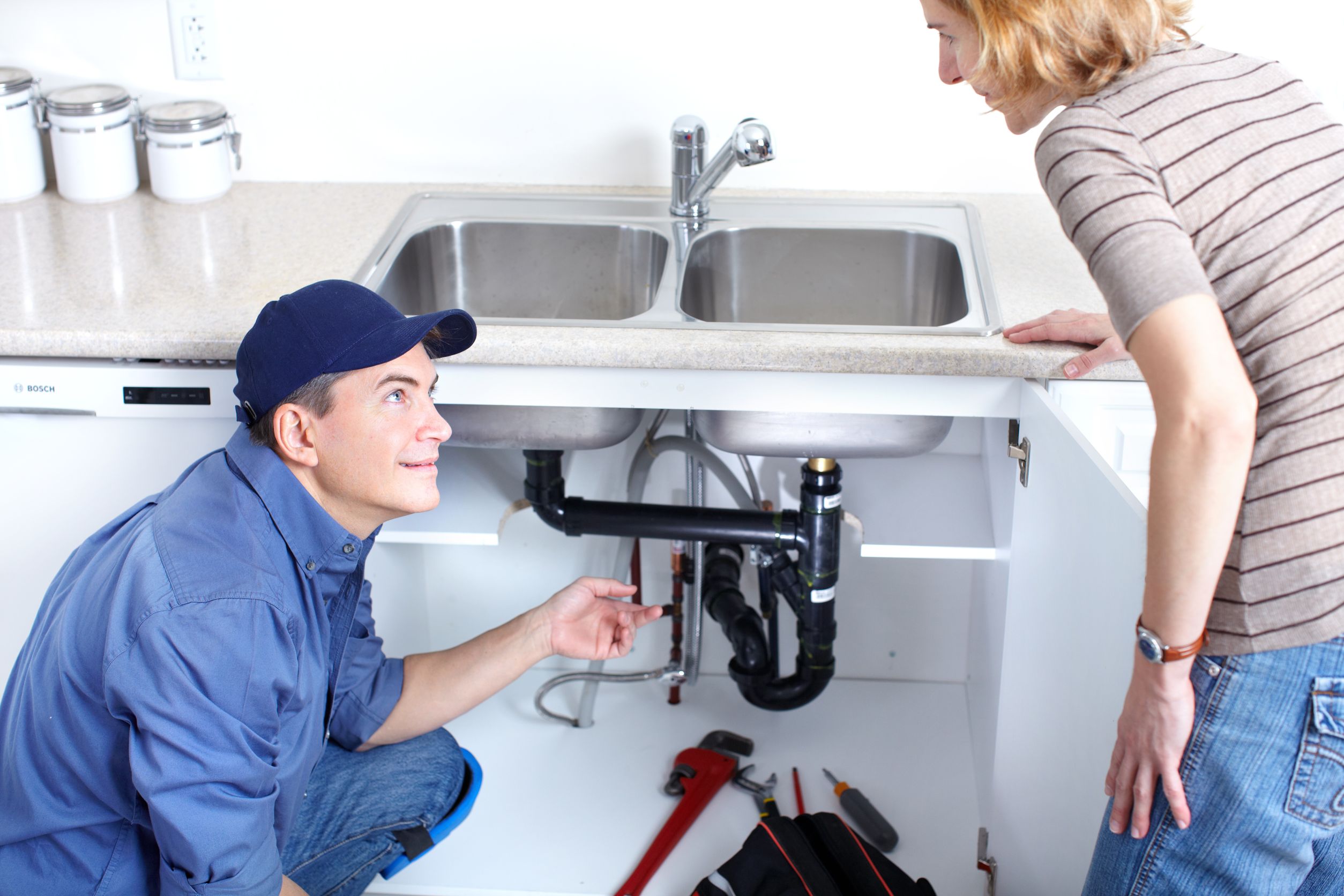
2. Diagnostic visit. A technician inspects the fixture, pipe, or system to confirm the cause rather than guessing from a phone description alone.
3. Written estimate. Reputable contractors outline labor, parts, and any permit requirements before work begins.
4. Repair or installation. Work is completed using licensed methods appropriate to local plumbing code.
5. Final check. The technician tests the repair, such as running water through a fixed drain or checking water heater pressure relief valves.
Skipping the diagnostic step is a common warning sign, since accurate pricing depends on correctly identifying the underlying problem rather than just the visible symptom.
Questions to Ask Before Work Begins
A short list of questions during the first conversation can prevent confusion later.
• Is the technician licensed to perform plumbing work in the jurisdiction where the home is located
• Does the estimate include a breakdown of labor and parts, or only a flat total
• Will a permit be required for the specific repair, such as sewer line replacement
• What warranty, if any, applies to parts and labor
• Is emergency or after-hours service available, and at what rate
Homeowners in older buildings common throughout Chicago, IL should also ask whether the quoted work accounts for aging pipe materials, since older service lines can affect both cost and method. Lead service lines remain a documented concern in many U.S. cities, and the CDC in homes connected to older infrastructure.
What Separates a Reliable Plumbing Contractor
|
Factor |
What to Verify |
Why It Matters |
|
Licensing |
State or local plumbing license number |
Confirms legal authorization to perform the work |
|
Insurance |
Liability and workers’ compensation coverage |
Protects the homeowner if damage or injury occurs |
|
Written scope |
Itemized estimate before work starts |
Reduces disputes over final billing |
|
Response time |
Stated availability for urgent issues |
Matters for leaks, backups, or no-water situations |
These factors apply to any plumbing job, from a minor fixture repair to larger sewer or water heater work, and they remain the most reliable way to compare contractors regardless of the specific service needed.
Local Considerations for Chicago Homeowners
Housing stock in Chicago, IL includes a substantial number of older two-flats, courtyard buildings, and vintage single-family homes, many with plumbing systems installed decades before current code standards. Basement flooding, aging sewer stacks, and seasonal frozen pipe risk during winter months are recurring concerns in this type of housing. A plumber familiar with local permit requirements and common building types can often identify these issues faster than a general contractor unfamiliar with the area’s older infrastructure.
Based in USA, Visit Apex Plumbing & Sewer Inc. serves customers across Chicago, IL, which means the hiring conversation typically centers on diagnosing a local plumbing issue rather than scheduling a site visit from a nearby branch office.
Frequently Asked Questions
How long does a typical plumbing repair take? Simple repairs such as a leaking faucet or running toilet often take under two hours, while sewer line work or full fixture installation can take a full day or longer depending on access and permit requirements.
Should a homeowner get more than one estimate? Comparing two or three written estimates for non-emergency work helps confirm that pricing and scope are reasonable before committing to a contractor.
Does hiring a licensed plumber cost more than an unlicensed handyman? Licensed plumbers generally charge more than unlicensed labor, but licensing confirms code compliance and liability coverage, which reduces the risk of costly rework later.
What should be included in a plumbing estimate? A complete estimate should list labor costs, parts or materials, any anticipated permit fees, and an estimated timeline for completion.
Learn More About Local Plumbing Services
Additional details about service availability in the area are available through Visit Apex Plumbing & Sewer Inc., which is listed under a published business profile for the region.
Homeowners preparing for a plumbing project can use the steps and questions outlined above to evaluate contractors methodically, regardless of which provider they ultimately choose for the work.