At glance:
- Wooden steel doors combine a durable metal frame with natural wood elements for strength, insulation, and curb appeal.
- Material choice affects energy performance, weather resistance, and long-term maintenance needs across different US climates.
- Custom sizing and finish options let homeowners match entry doors to historic, contemporary, or transitional architecture.
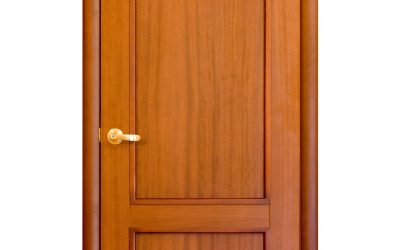
Homeowners searching for a wooden steel door are usually comparing durability and style, trying to find an entry system that resists warping and rust while still delivering the warmth of natural wood grain. The short answer: a well-built hybrid door pairs a steel or steel-reinforced frame with wood detailing or cladding, giving you structural stability plus the traditional look many buyers want for a front entrance.
Choosing between materials for an exterior door is not just about appearance. A wooden steel door is often selected by property owners who want the visual richness of wood grain without sacrificing the strength and weather resistance associated with steel-framed systems. This makes it a practical option for regions with fluctuating humidity, temperature swings, or storm exposure, where solid wood alone can expand, contract, or degrade over time.
What Makes a Wooden Steel Door Different
A wooden steel door typically uses a steel or metal-reinforced core or frame combined with wood facing, trim, or full wood construction paired with steel-strength hardware and structural components. This approach addresses two common concerns with single-material doors.
- Wood alone can swell, crack, or rot when exposed to prolonged moisture or extreme temperature shifts.
- Steel alone can feel less traditional for historic renovations or classic architectural styles.
- Hybrid or steel-and-wood systems aim to balance visual warmth with structural resilience.
Manufacturers building custom wood doors often emphasize sustainably sourced materials and expert finishing intended to help the product last for years rather than requiring frequent replacement.
Energy Efficiency and Climate Considerations
Door material choice has a direct effect on a home’s thermal performance, which matters for both comfort and utility costs. According to the U.S. Department of Energy, selecting energy-efficient doors and windows and sealing air leaks around them can meaningfully reduce heating and cooling losses in a home. This is especially relevant in Texas and other states with hot summers, where thermal transfer through door frames can drive up cooling costs.
Wood provides natural insulating properties, while steel framing components can be engineered with thermal breaks to reduce heat transfer between interior and exterior surfaces. When shopping for a wooden steel door, ask about:
1. Thermal break technology in the frame or hardware.
2. Weatherstripping and sealing quality around the door slab.
3. Glass options if the design includes sidelights or vision panels.
4. Finish treatments that protect exposed wood from sun and moisture.
Comparing Door Material Options
| Feature | Solid Wood Door | Steel Door | Wooden Steel Door |
| Weather resistance | Moderate, needs sealing | High, resists warping | High, wood is protected |
| Traditional appearance | Strong natural grain look | Limited without cladding | Retains wood aesthetic |
| Maintenance | Periodic refinishing needed | Low maintenance | Moderate, depends on finish |
| Structural durability | Can shift with humidity | Very durable | Durable with wood detailing |
This comparison is general and intended to guide questions during a consultation rather than replace a professional assessment of a specific property’s exposure and framing needs.
Design and Sourcing Considerations
Custom wood door projects commonly involve selecting from multiple wood species, hardware finishes, and configurations to match a home’s architectural period or a commercial building’s design intent. Buyers should also confirm how sustainably the wood is sourced, since responsible sourcing affects both product longevity and environmental impact.
- Ask whether the manufacturer uses in-house craftsmen or outsources fabrication.
- Request finish samples to see how the wood will age with UV exposure in your climate.
- Confirm whether a dedicated project manager or single point of contact will oversee the build.
Working with a manufacturer that handles design, fabrication, and installation coordination under one roof can reduce miscommunication across a custom order.
Frequently Asked Questions
Does a wooden steel door cost more than a standard wood or steel door? Pricing varies by size, wood species, hardware, and custom configuration, so property owners should request a project-specific quote rather than relying on general estimates.
How long does a well-maintained wooden steel door typically last? Longevity depends on climate exposure, finish quality, and maintenance routine, with properly treated and sealed doors generally outlasting untreated wood-only alternatives.
Can a wooden steel door be used for both residential and commercial buildings? Yes, custom door systems are frequently specified for both home entries and boutique commercial spaces where architectural presentation matters.
What maintenance does a wooden steel door need in Texas heat? Regular inspection of seals, occasional refinishing of exposed wood surfaces, and checking hardware for wear help preserve performance in high-heat, high-UV conditions.
Selecting the right entry door involves weighing climate, architectural style, and long-term maintenance expectations rather than focusing on appearance alone. Property owners considering a custom build often benefit from speaking directly with a manufacturer that can walk through wood species, frame construction, and finish options for their specific project. For Austin-area homeowners and builders evaluating custom door systems, Portella Steel Doors & Windows – Austin offers a starting point for comparing options and discussing project-specific requirements before committing to a final design.