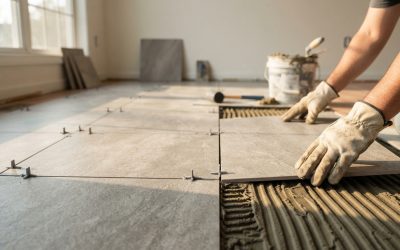
• Porcelain and ceramic tile remain the two most practical choices for Independence homes, each suited to different rooms and moisture levels.
• Subfloor condition, moisture testing, and grout selection matter as much as the tile itself for long-term performance.
• Local showrooms let homeowners compare slip resistance, water absorption, and finish samples before committing to a material.
Homeowners planning tile flooring installation in Independence, MO typically get the best results by matching tile type to room function first, then narrowing choices by water absorption rating, slip resistance, and subfloor compatibility.
Picking the right tile starts well before anyone touches a trowel. Tile Flooring Installation In Independence MO projects succeed or struggle based on decisions made during material selection, including tile body type, finish, and how the chosen product will interact with the existing subfloor. A showroom visit at Big Bobs Flooring Outlet gives buyers a chance to handle samples side by side rather than guess from online photos.
Porcelain Versus Ceramic: The First Decision
Most residential tile projects come down to two material families, and each performs differently depending on where it goes in the house.
• Porcelain tile is denser and less porous, making it a strong fit for entryways, kitchens, and bathrooms where moisture and foot traffic are constant.
• Ceramic tile is generally lighter and easier to cut, which can simplify installation in smaller rooms or accent areas.
• Natural stone tile offers a distinct look but usually requires sealing and more maintenance over time.
Water absorption is the technical detail that separates these categories. Industry specifications classify porcelain tile at 0.5 percent or less water absorption, while ceramic tile is rated for up to 3 percent in commercial-grade applications, according to ceramic tile installation specifications guidance. That distinction is why porcelain tends to dominate bathroom floors and mudrooms, while ceramic remains a budget-conscious option for lower-moisture spaces.
Comparing Common Tile Options
| Material | Best Rooms | Water Resistance | Maintenance Level |
| Porcelain | Bathrooms, kitchens, entries | Very high | Low |
| Ceramic | Bedrooms, hallways, accent walls | Moderate | Low to moderate |
| Natural stone | Living rooms, feature floors | Varies, needs sealing | Higher |
| Large-format tile | Open-concept living areas | High (fewer grout lines) | Low |
This table reflects general industry categories rather than a single product line, so homeowners should still confirm specifications on any tile they are considering before purchase.
Subfloor Prep and Moisture Checks
No tile material performs well over a subfloor that has not been properly prepared. Before installation begins, a few checks matter most:
1. Confirm the subfloor is flat, clean, and structurally sound.
2. Test for excess moisture, particularly over concrete slabs in older Independence homes.
3. Address any mold, mildew, or residual dampness before new flooring goes down, following the EPA mold and moisture guidance referenced in national resilient flooring installation practices.
4. Select an underlayment appropriate to the subfloor type, since the wrong layer can trap moisture rather than manage it.
Skipping these steps is one of the most common reasons tile installations fail prematurely, regardless of how high-quality the tile itself is.
Grout, Finish, and Slip Resistance Considerations
Grout choice affects both appearance and long-term durability. Cementitious grout is common and cost-effective, while epoxy grout resists staining better in high-moisture rooms. Finish also matters for safety:
• Matte and textured finishes offer better slip resistance in bathrooms and entries.
• Polished finishes show scratches more easily and can become slick when wet.
• Textured large-format tiles are increasingly used in open floor plans to reduce grout lines while maintaining traction.
Homeowners comparing samples in person can usually feel the difference in texture and weight, which is harder to judge from a catalog image alone.
Frequently Asked Questions
Is porcelain tile worth the extra cost over ceramic? Porcelain generally costs more upfront but holds up better in wet, high-traffic areas due to lower water absorption, which can reduce long-term repair needs.
Can tile be installed over an existing floor? In some cases a tile can go over an existing subfloor, but this depends on the condition, flatness, and moisture level of what is already there, and a professional assessment is the safest way to confirm.
How long does a typical tile installation take? Timelines vary by room size and prep work needed, so it is best to get a project-specific estimate based on the actual space being tiled.
What is the difference between ceramic and porcelain for bathroom floors? Porcelain’s lower water absorption rate makes it the more common recommendation for bathroom floors, while ceramic is often reserved for drier rooms.
Selecting tile for a home is less about finding the most popular style and more about matching material properties to how a room actually gets used. Independence homeowners who review subfloor condition, water absorption ratings, and finish texture before buying tend to avoid the most common installation headaches. Visiting a local showroom to compare samples in person remains one of the simplest ways to narrow down options before scheduling any work.