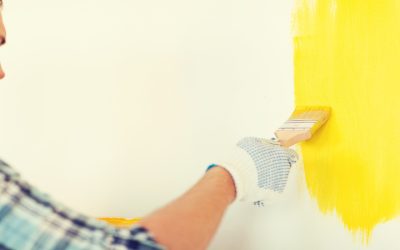
When it comes to achieving a truly polished and professional look on your interior walls, the right tools make all the difference. For homeowners and DIY enthusiasts seeking a smooth, even finish, one tool stands out above the rest. Those searching for the best way to paint walls without leaving streaks or brush marks often turn to the Mohair Paint Roller to deliver exceptional results that rival professional work. Understanding why this paint roller is preferred and how to use it effectively can transform your next painting project.
What Sets a Mohair Paint Roller Apart?
Unlike standard rollers, mohair rollers are made from natural or blended mohair fibers—derived from the Angora goat—which create a dense, velvety nap. This unique material offers several advantages:
- Ultra-Smooth Finish: Mohair fibers are fine and resilient, resulting in minimal texture. This makes the roller perfect for painting smooth surfaces, such as drywall, wood, or metal.
- Reduced Lint: The tightly woven nap means less shedding, so you won’t find stray fibers embedded in your freshly painted wall.
- Excellent Paint Release: Mohair holds just the right amount of paint, allowing for a consistent application without drips or splatters.
These features make mohair rollers ideal for applying gloss, semi-gloss, or satin paints where a flawless finish is essential.
When to Choose a Mohair Paint Roller
Selecting the right roller for your project is crucial. A mohair roller is best suited for:
- Smooth Walls: For new drywall or previously painted smooth surfaces.
- Trim and Doors: Achieve a glass-like finish on woodwork and cabinetry.
- Specialty Paints: Works particularly well with oil-based and water-based enamels.
While mohair rollers excel on smooth surfaces, they are not recommended for rough or textured walls, where a thicker nap roller would perform better.
Tips for Flawless Application
To get the most out of your mohair roller, follow these expert tips:
- Prep the Surface: Clean and lightly sand walls to remove imperfections. Dust and debris can ruin an otherwise smooth finish.
- Prime if Needed: Especially on new drywall or porous surfaces, use a suitable primer to ensure even paint absorption.
- Load the Roller Properly: Dip the roller in paint and roll off excess on the tray to prevent overloading.
- Use the “W” Technique: Apply paint in a “W” or “M” pattern, then fill in the gaps with parallel strokes to ensure even coverage.
- Work in Sections: Paint small areas at a time, maintaining a wet edge to avoid lap marks.
- Allow Proper Drying: Let the first coat dry completely before applying a second for the best results.
Achieving Professional Results at Home
Painting your own walls can be rewarding when approached with the right tools and techniques. A mohair roller not only elevates the quality of the finish but also makes the process smoother and more enjoyable. Whether you’re updating a living room, refreshing trim, or tackling cabinetry, this roller’s ability to deliver a uniform, streak-free look is unmatched.
In summary, choosing a mohair roller is a smart investment for anyone aiming for smooth, professional-grade results on interior projects. Its unique fiber composition, minimal lint, and superior paint release set it apart from standard rollers. By following best practices in preparation and application, you can transform your walls, trim, and more—creating a flawless finish that stands the test of time.