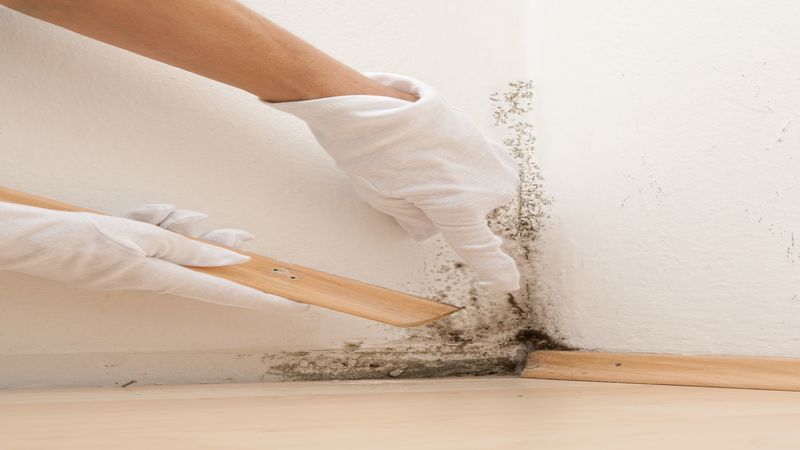
The gist:
• Professional mold removal goes beyond surface cleaning it addresses hidden moisture sources, containment, and post-remediation verification.
• Murrieta’s climate and housing conditions make timely mold inspection a practical priority for homeowners.
• Certified local contractors follow EPA and IICRC standards to ensure safe, lasting results.
When mold appears in a Murrieta home, the right response is a structured remediation process — not a coat of paint or a household cleaner. Professional mold removal identifies the source, contains the spread, removes contaminated materials, and restores indoor air quality to a safe baseline.
Homeowners searching for Mold Removal Services in Murrieta CA should understand what a legitimate remediation process looks like before hiring anyone. Knowing the steps involved helps you ask better questions, evaluate contractors accurately, and avoid work that only addresses visible growth without fixing the underlying problem.
What the Remediation Process Actually Involves
Mold remediation is the comprehensive process of identifying, containing, removing, and preventing mold growth in buildings. Unlike simple cleaning, the process addresses both visible contamination and hidden sources of moisture that allow mold to thrive.
A properly scoped job follows this general sequence:
1. Inspection and moisture mapping — Technicians use moisture meters and, in some cases, infrared cameras to locate hidden water intrusion behind walls or under flooring.
2. Containment setup — Plastic sheeting and negative air pressure prevent spores from spreading to unaffected areas during work.
3. Material removal — Services typically include the sanitation of affected areas and the necessary removal of building materials such as drywall, carpet pad, and baseboard.
4. Surface treatment — Professionals apply EPA-registered antimicrobial solutions that kill mold at the cellular level, followed by HEPA vacuuming, scrubbing with appropriate cleaners, and a final antimicrobial application for lasting protection.
5. Post-remediation verification — Air quality testing confirms spore counts have returned to acceptable levels before the space is cleared for re-occupancy.
Mold growth requires sustained moisture above roughly 60% relative humidity or direct liquid contact with porous materials. Without eliminating the moisture source, treated areas will re-colonize typically within 24 to 72 hours under sustained wet conditions, per EPA guidance.
When to Call a Professional vs. Handle It Yourself
The EPA provides clear thresholds for when DIY cleanup is appropriate and when it is not. According to the EPA’s mold cleanup guidance, if the moldy area is less than about 10 square feet, you can handle the job yourself in most cases. However, if there has been a lot of water damage and mold growth covers more than 10 square feet, you should consult professional remediation guidance.
According to the EPA, you should not attempt a mold cleanup yourself if the mold covers more than 10 square feet, if the mold was caused by contaminated water, if the mold has gotten into the HVAC system, or if you have health issues that can be affected by additional exposure.
| Situation | Recommended Action |
| Spot under 10 sq ft, no water damage history | DIY with N-95, gloves, goggles |
| Area 10-100 sq ft or unknown moisture source | Consult a certified professional |
| Over 100 sq ft or HVAC involvement | Professional remediation required |
| Immunocompromised occupants present | Professional remediation regardless of size |
What to Look for in a Murrieta Mold Contractor
Certification matters. If you choose to hire a contractor to do the cleanup, make sure the contractor has experience cleaning up mold, and ask the contractor to follow the recommendations in EPA guidance, the guidelines of the American Conference of Governmental Industrial Hygienists (ACGIH), the Institute of Inspection, Cleaning and Restoration Certification (IICRC), or other guidelines from professional or government organizations.
Key questions to ask before signing any contract:
• Is the company IICRC-certified for mold remediation?
• Do they perform a moisture source assessment before quoting removal?
• Will they provide post-remediation air quality testing?
• Do they handle insurance documentation?
Five Star Restoration is certified through the Institute of Inspection, Cleaning and Restoration Certification. Their mold services include inspection and environmental testing, safe and effective mold removal, repairs and drying to prevent regrowth, and work performed according to safety and industry standards.
How long does professional mold removal take? Most mold removals take a day to identify and remove the source of the mold, though larger or multi-room contaminations can extend the timeline depending on the scope of affected materials.
Does mold always come back after removal? Not if the moisture source is corrected. The key to mold control is moisture control. If mold is a problem in your home, you should clean up the mold promptly and fix the water problem.
Will my homeowner’s insurance cover mold remediation? Coverage varies by policy and the cause of the mold. Mold resulting from a covered water loss such as a burst pipe is more likely to be covered than mold from long-term neglect. Always document damage thoroughly before work begins.
What certifications should a mold remediation company hold? Look for IICRC S520 certification as a baseline. For larger areas, HVAC contamination, or homes with occupants who have respiratory or immune sensitivities, EPA and IICRC S520 both recommend professional remediators trained to Condition 1 verification standards.
If you suspect mold growth in your Murrieta home, prompt action limits both structural damage and potential health exposure. Five Star Restoration serves Murrieta and the broader Inland Empire with 24/7 availability, IICRC certification, and a process that includes inspection, containment, removal, and post-remediation verification. Contact the team for a free diagnostic before conditions worsen.