Bottom line:
• Selecting the right security camera system for a Miami home means matching camera type and placement to your property’s layout, Florida’s climate demands, and local privacy laws.
• Professional installation ensures cameras integrate with your broader smart home system for remote monitoring and reliable coverage.
Picking the right security camera setup is one of the most practical steps a Miami homeowner can take to protect their property. The combination of camera type, placement strategy, and professional integration determines whether a system actually delivers consistent protection or just sits on a wall looking the part.
Reliable home security camera installation helps protect entrances, driveways, backyards, and other vulnerable areas — but getting there requires a few deliberate decisions before any hardware goes up.
Camera Types and What Each One Covers
Not every camera works equally well in every spot. Matching the right type to each location is the foundation of an effective system.
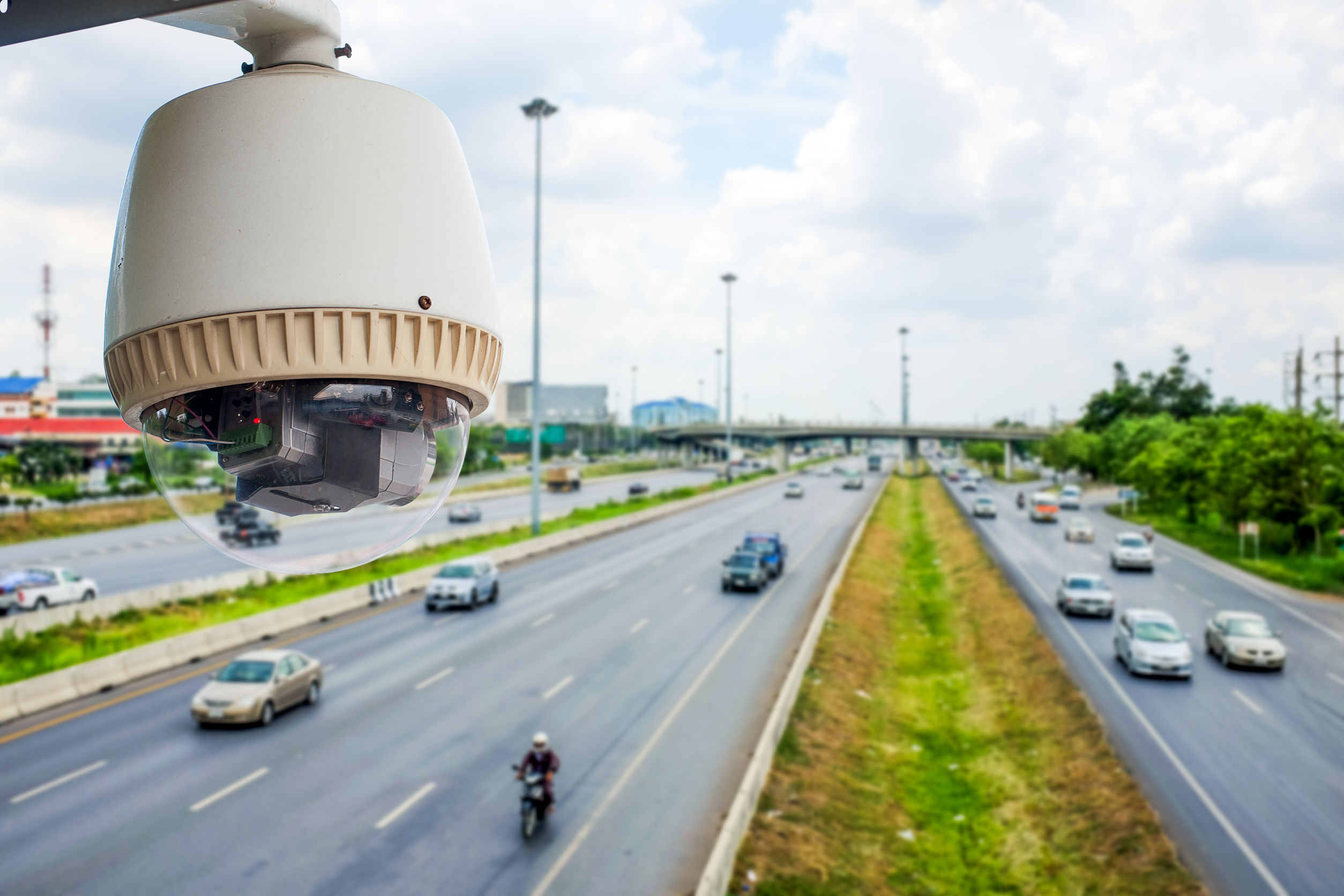
Outdoor bullet cameras are the most common choice for exterior coverage. Their cylindrical shape makes them highly visible, which serves as a deterrent in itself. Bullet cameras are ideal for monitoring driveways, front entrances, side yards, and back gates.
Dome cameras are mounted on ceilings or overhangs and offer a wide-angle view that is difficult to tamper with or redirect. They are well-suited for covered entryways, garages, pool areas, and any location where a discreet, vandal-resistant design is preferred.
Indoor cameras serve a different purpose — monitoring interior spaces such as main hallways, living areas, and home offices. They generally require less weatherproofing but benefit from wide-angle lenses for smaller rooms.
Miami-Specific Considerations Before You Buy
Miami’s environment creates real constraints that affect hardware selection and mounting decisions.
The humid, tropical climate and occasional extreme weather in Miami present unique challenges for security camera installation. Salt air can corrode equipment near coastal areas, and hurricane-force winds require proper weatherproofing and secure mounting.
Outdoor cameras must be rated for Miami’s heat, humidity, and rain — a specification that should be verified before recommending any equipment. Look for an IP66 or IP67 weatherproof rating as a baseline for any exterior-facing unit.
Resolution also matters for practical identification. A minimum resolution of 1080p (2MP) covers basic needs, though 4MP or 4K (8MP) provides significantly better detail for identifying faces and license plates.
Florida Privacy Laws Every Homeowner Should Know
Installing cameras without understanding Florida’s surveillance rules can create legal exposure. According to the Florida Statutes on digital voyeurism (Section 810.145), recording people in private spaces where they have a reasonable expectation of privacy carries serious criminal penalties.
Florida law permits homeowners to install outdoor security cameras on their private property, including areas like porches, driveways, and front yards.
Florida is a two-party consent state for audio recording under Florida Statute 934.03. This means recording audio conversations without all parties’ consent is illegal — and this applies to audio-capable security cameras, since enabling audio recording in locations where conversations occur may violate Florida law.
If you live in a community governed by a homeowners’ association, things can get more complicated. HOAs often have their own rules about what is allowed for home security systems, including cameras. HOA guidelines can vary widely, so it is a good idea to check your community’s rules before making any purchases or installations.
Professional Installation vs. DIY: What to Weigh
A DIY kit can handle basic coverage, but professional installation adds meaningful advantages for Miami homes that want cameras integrated into a broader smart home setup.
Professionally designed systems bring lighting, security, audio, climate, and control into one simple experience — meaning cameras feed into the same interface used to manage thermostats, door locks, and other connected devices.
Key advantages of professional installation:
• Proper cable routing and weatherproofing for Miami’s climate
• Camera placement optimized for coverage angles, not just convenience
• Integration with remote monitoring platforms for real-time alerts
• System testing and motion-zone calibration to reduce false alerts
Smart Home Systems LLC is a technology design firm that specializes in automation integration for residential and commercial projects, and they design, build, program, install, and service every project they specify.
Frequently Asked Questions
How many cameras does a typical Miami home need? Most single-family homes benefit from four to eight cameras covering the front door, back door, driveway, and any side-yard access points. Larger properties or homes with pools may need additional units.
Can I add cameras to an existing smart home system? Yes, many existing homes can be upgraded with smart home installation in Miami, FL. The right system can be designed around your current layout, daily routines, and priorities.
Do I need a permit to install security cameras in Miami? Residential security cameras generally do not require a permit in Miami-Dade County, but wiring work that involves electrical panel modifications may. Always confirm with your local building department before starting.
What happens to recorded footage? Footage is typically stored locally on a DVR/NVR or in the cloud, depending on the system. Cloud storage plans vary by provider and retention period, so confirm storage terms before committing to a platform.
Ready to protect your Miami home with a professionally designed security camera system? Visit https://thesmarthomesystems.com/ to connect with Smart Home Systems LLC and discuss a customized solution for reliable coverage, remote monitoring, and smart home integration.