Quick summary:
- Hardscaping covers durable, structured outdoor elements such as patios, walkways, retaining walls, and paver installations built from stone, brick, or concrete.
- Kirkland’s rainy climate makes drainage planning, material choice, and permitting three of the most important early decisions in any hardscape project.
- Costs vary by scope; simple projects may start in the low thousands, while full backyard hardscape and lighting packages run higher.
Homeowners searching for hardscaping services in Kirkland WA are usually trying to solve a specific outdoor problem: a muddy yard, a sloped lot that needs stabilizing, or a backyard that never quite gets used because there is no functional patio or walkway connecting it to the house.
Planning a hardscape project well starts with understanding what the term actually covers and how local conditions shape the right approach. Hardscaping services in Kirkland WA typically involve installing durable materials such as stone, brick, concrete, or pavers to create patios, retaining walls, walkways, and other structural outdoor features. Getting the sequencing right, from site grading through material selection, prevents costly rework later.
What Hardscaping Actually Includes
Hardscaping is distinct from planting or lawn work because it deals with permanent, structural elements rather than living landscape. In the Kirkland area, common hardscape projects include:
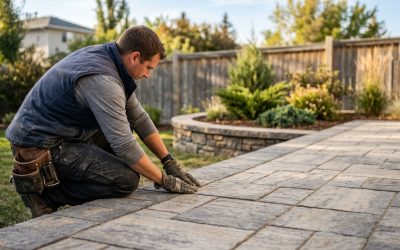
- Patios and outdoor living surfaces built from pavers, stone, or concrete
- Retaining walls designed to manage sloped terrain and prevent soil erosion
- Walkways connecting entryways, driveways, and backyard living areas
- Fire pits and outdoor kitchen features integrated into a patio layout
- Driveway paver installations for both curb appeal and durability
Regional providers describe similar scopes of work, with hardscape features generally including patios, walkways, retaining walls, and outdoor stairs built from stone, brick, or pavers.
Why Drainage Planning Comes First
The Pacific Northwest’s wet seasons make drainage the single most important technical consideration before any hardscape installation begins. Impervious surfaces like traditional concrete patios and driveways contribute directly to stormwater runoff, according to the Building America Solution Center, a federally supported resource on water-efficient landscape design. Poorly planned surfaces can shift water toward foundations, walkways, or neighboring properties instead of letting it infiltrate naturally.
This is why many hardscape plans in the region now favor permeable options where appropriate:
1. Site assessment first. A contractor evaluates slope, soil type, and existing drainage patterns before recommending materials.
2. Material selection. Open pavers or engineered porous surfaces can replace impermeable concrete in areas where infiltration matters most.
3. Grading and subsurface prep. Proper base preparation determines whether a patio or walkway sheds water correctly for years, not just the first season.
4. Integration with retaining walls. On sloped lots, retaining walls double as both structural support and part of the water management plan.
Retaining walls play a functional role beyond aesthetics, and Kirkland’s landscape construction projects commonly cover grading, irrigation, retaining walls, patios, walkways, and lawn installation as part of a coordinated build.
Permitting and Scope Considerations in Kirkland
Not every hardscape project requires the same level of permitting, but larger or elevated structures usually do. For example, most deck projects in Kirkland require a permit, especially for elevated or large structures, and regulations vary enough that professional guidance on compliance is worth the investment. The same logic applies to substantial retaining walls or major grading changes, where local code review protects both the property and neighboring drainage paths.
Costs also vary considerably depending on scope. Basic hardscape projects may start at a few thousand dollars, while full landscape construction projects that combine hardscaping, lighting, and custom features can cost significantly more.
|
Project Type |
Typical Complexity |
Common Materials |
|
Walkway or small patio |
Low to moderate |
Pavers, brick, poured concrete |
|
Retaining wall (sloped lot) |
Moderate to high |
Segmental block, natural stone |
|
Full backyard hardscape with fire pit or kitchen |
High |
Mixed stone, pavers, concrete, lighting integration |
Choosing the Right Approach for Your Property
A practical hardscape plan matches material and layout decisions to the specific site rather than applying a one-size-fits-all design. Sloped Kirkland lots often need retaining walls before any patio work begins, while flatter properties may prioritize walkways and drainage grading first. Homeowners planning a multi-phase project should sequence retaining walls and grading ahead of surface installations like pavers or stone patios, since reworking a finished patio to fix drainage underneath it is far more disruptive than solving it during initial excavation.
Working with an established local provider such as Rich Landscaping Inc gives homeowners access to a team familiar with regional soil conditions, permitting norms, and the seasonal rain patterns that make drainage planning essential in this part of Washington. A clear plan built around site conditions, not just aesthetic preferences, tends to hold up better over time and requires less costly correction down the road.
Frequently Asked Questions
What is the difference between hardscaping and landscaping? Hardscaping refers to structural, non-living elements like patios, walkways, and retaining walls, while landscaping typically refers to plants, lawns, and softscape features. Most outdoor projects in Kirkland combine both.
Do I need a permit for a patio or retaining wall in Kirkland? It depends on size and structure type. Elevated decks and larger structures typically require permits, and taller retaining walls often fall under similar review, so checking with a contractor familiar with local code is a practical first step.
How does drainage affect hardscape material choice? Sites with poor natural drainage often benefit from permeable pavers or open-joint paving systems that allow water to infiltrate rather than pool or run off toward structures.
How long does a typical hardscape project take? Timelines depend on scope, but most patio, walkway, or single retaining wall projects move from design consultation through installation over a period of weeks rather than months, assuming permitting is straightforward.
Planning a hardscape project around Kirkland’s climate, soil conditions, and permitting requirements sets the foundation for outdoor spaces that perform well season after season. Property owners who sequence drainage, grading, and material selection correctly from the start typically avoid the most common and costly hardscape mistakes.